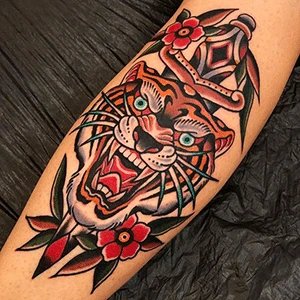
Tattoo art has come a long way over the years. It started with bold, simple designs and has evolved into intricate pieces that blend tradition with modern flair. Neo-traditional tattoos are a great example of this change. They take the strong basics of classic tattoos and add depth, texture, and a wider color range. If you’ve ever compared an old-school rose to a detailed fox or bird, you’ve seen this evolution in action.
If you love exploring different tattoo styles, it’s useful to see how old traditions give rise to new ideas. Many folks start with traditional tattoo designs and then find out how artists expand those simple rules into more elaborate neo-traditional work. This isn’t just about looks; it shows how tattoo culture keeps reinventing itself while honoring its roots. Tattooing has a rich history worldwide, and resources like Wikipedia’s overview of tattoo history offer a snapshot of how body art has changed across different cultures.
The Roots of Traditional Tattooing
Bold Outlines and Timeless Imagery
Traditional tattoos are famous for their strong black outlines, simple shapes, and bold colors. These were designed to stand the test of time, which is why anchors, daggers, swallows, hearts, eagles, and roses became iconic. This style has a direct impact and is easy to spot from afar, which is part of its charm.
Why the Old-School Look Still Matters
Even with all the new styles out there, traditional tattooing is still important. It gives us the basic visual language that many other styles draw from. Artists who understand traditional design often have a better sense of balance, contrast, and flow. Mastering these basics is often the first step to creating more advanced hybrids, like the refined look of neo-traditional tattoos and more illustrative pieces.
For those who love collecting style references, traditional tattooing goes well with other bold styles like fine line tattoos and delicate tattoos, even though they look different. Knowing where each style comes from helps you choose art that feels personal instead of just trendy. It’s also why some designs age better than others, especially when strong linework is used wisely.
What Makes Neo-Traditional Tattoos Different
More Detail Without Losing Structure
Neo-traditional tattoos keep the strong basics of classic tattooing, but they allow for more detailed shading, richer colors, and decorative linework. Instead of sticking to flat colors, artists can add depth with gradients, textured shadows, and stylized realism. This means a flower can look more lush, an animal more expressive, and a portrait can feel both artistic and bold.
A Broader Visual Language
One big difference is that neo-traditional tattoos aren’t limited in subject matter. While traditional designs often stuck to a set of symbols, neo-traditional work can include wolves, owls, mythological figures, insects, masks, and botanical themes. Artists might also draw inspiration from illustrative art, Art Nouveau, and even modern pop culture, giving each piece a unique feel. This flexible approach has helped the style become more popular, especially among those looking for something familiar but not predictable.
Techniques That Give Neo-Traditional Art Its Depth
Dimensional Shading and Refined Linework
Neo-traditional tattoos stand out because of how artists use shading to create structure and atmosphere. Instead of just using flat colors, they build transitions gradually so that petals, feathers, or details look more three-dimensional. Refined linework is crucial here because each contour supports the final composition rather than crowding it.
Expanded Color Palettes
Traditional tattooing often uses a limited palette, but neo-traditional styles can include muted jewel tones, earthy gradients, and unexpected accent colors. This broader palette lets artists shape mood. For instance, a raven tattoo might feature deep blues and smoky purples instead of just black and gray, while a floral sleeve might use warm coral, forest green, and gold for a more layered look.
According to advice from this tattoo education resource, artists aiming for strong neo-traditional results should keep honing traditional drawing skills while learning how to translate modern references into classic visual language. It’s simple: if the underlying design is weak, more color won’t fix it. But when the structure is solid, color and shading can elevate the design dramatically.
Popular Neo-Traditional Themes and Real-World Examples
Animal Portraits and Botanical Work
Animal portraits are a standout example of neo-traditional tattooing. A fox, wolf, tiger, or owl can be drawn with a bold outline, but the face, fur, feathers, and accents carry more detail than older styles. This gives the artwork a lively feel without losing the bold readability tattoos need.
Botanical pieces are popular too because they combine organic shapes with strong composition. Leaves, vines, blossoms, and stems can frame a central subject, giving the tattoo a natural flow across the body. Many artists love these nature-inspired themes because they’re expressive, elegant, and adaptable to different placements.
Illustrative and Mixed-Media Influences
Neo-traditional tattoos often borrow from illustrated books, poster art, and even experimental collage. That’s why some designs look like they were painted, drawn, and inked all at once. A single piece might blend a realistic eye with stylized petals, a detailed animal skull with graphic halos, or ornamental shapes with heavy line contrast. This mixed-media feel keeps drawing new fans to the style.
If you’re after a more realistic look but still love depth, realism tattoo services offer a different experience. Neo-traditional work is great for those who want stylization and symbolic flair. Many artists mix the two, using realism-inspired features within an overall illustrative design. That balance is what makes the style feel both classic and fresh.
How Tattoo Styles Keep Evolving
From Heritage to Experimentation
The evolution of tattoo style is really a story about adaptation. Traditional tattooing provided the blueprint, neo-traditional expanded the palette, and today’s artists keep exploring new visual effects and subject matter. The result is a culture that respects its roots but never stays the same for long.
Technology and Technique are Shaping the Future
Better equipment and training have also made modern tattoo art more precise and expressive. Improved machines, needles, and techniques help artists create cleaner saturation and smoother transitions. A broader overview of how modern technology influences creative fields can be found in this academic conference paper on modern technologies, supporting the idea that innovation often arises from combining craft with new tools.
For both clients and artists, the main takeaway is that style evolution doesn’t erase tradition. Instead, it gives artists more ways to personalize a tattoo so it matches the wearer’s story. That’s why modern tattoo culture includes everything from bold symbols to subtle linework, from experimental pieces to carefully layered neo-traditional compositions.
Tips for Choosing the Right Style
Think About How You Want the Tattoo to Feel
If you’re choosing between traditional and neo-traditional, start with the feeling you want the design to give off. Traditional tattoos usually feel direct, iconic, and high-contrast, while neo-traditional pieces often feel more ornate, expressive, and dimensional. Neither is better; they just communicate differently.
Consider the Subject Matter and Placement
Some ideas work better in one style than the other. A simple anchor or dagger may look perfect in a traditional style, while a crow, peony, or fox might benefit from the layered shading of neo-traditional work. Placement matters too—larger areas allow more room for detail, while smaller spots may call for cleaner lines and simpler forms. If you want a style that adapts to different placements, fine line tattoos can be a good option to explore.
Ask How the Tattoo Will Age
Neo-traditional tattoos can age beautifully when the design has strong contrast and enough space between details. The key is not to overload the piece. A design with clear shapes, balanced color, and thoughtful spacing is more likely to stay visually appealing over time than one packed with too many tiny elements. That’s why artists often recommend keeping the core structure readable, especially for designs that mix multiple visual influences.
Why This Style Still Feels New
A Modern Answer to Classic Tattoo Culture
Neo-traditional tattoos feel current because they balance two desires: a love for timeless tattoo heritage and a wish for something more personal and detailed. They’re bold enough to stand out yet flexible enough to reflect individual taste. That combination is hard to beat, especially for those who want art that feels both classic and original.
As tattoo culture keeps shifting, neo-traditional art is one of the clearest examples of how old and new can work together. It respects the visual rules that made traditional tattooing iconic but also leaves room for richer storytelling, artistic experimentation, and stronger personal symbolism. For anyone curious, if you love tattoos that look classic but feel more expressive, this style is worth a closer look.
If you want to dive into other foundational approaches alongside neo-traditional ideas, comparing them with traditional tattoos and more ornamental options like delicate designs can help. Looking across styles is often the easiest way to decide what fits your personality, taste, and the story you want your tattoo to tell.
Final Thoughts
The move from traditional to neo-traditional tattoo art shows how creative traditions can evolve without losing their identity. Strong outlines, bold color, and symbolic imagery are still at the heart of tattoo culture, but modern artists are using shading, wider palettes, and more detailed composition to push those ideas further. Whether you’re drawn to a classic rose or an ornate animal portrait, understanding the difference between these styles makes it easier to choose artwork you’ll appreciate for years to come.
If you’re still comparing styles, pay attention to composition, color, and the overall vibe of the piece. Those details often matter more than the trend itself. And if you’re exploring a custom design, learning how styles connect can make the process more rewarding from start to finish. For practical prep and care, it’s also wise to review aftercare instructions so the tattoo has the best chance of looking its best long term.