Small Details, Beautiful Results: Why Fine Line Tattoos Stand Out
Fine line tattoos are super popular in modern body art because they offer subtlety, precision, and personal meaning. Their clean outlines, delicate shading, and elegant simplicity are perfect if you want a tattoo that's refined rather than overpowering. At Hartford Tattoo Shop, we've seen how thoughtful planning and skill can turn a small idea into a beautiful piece of art, especially if you want something timeless. If you're exploring an understated style, check out our fine line tattoos and delicate tattoo designs to find what suits your vision best.
What makes fine line tattoos unique isn't just their thin lines; it's how the entire design comes together. Every curve, spacing, and placement matters more than in bolder styles. This precision attracts people who want elegant, modern, and deeply intentional artwork. It also requires a steady hand and a strong artistic eye. For first-timers, the CDC guidance on tattooing is a great resource for understanding tattoo safety and skin health.
In this guide, you'll discover why fine line tattoos have lasting appeal, how they're designed, what makes them technically special, and how to care for them once they're healed. We'll also cover placement tips, style ideas, common mistakes, and how fine line work compares to other tattoo styles. Whether you're considering a tiny symbol, a floral piece, a quote, or something custom, the details below will help you make an informed choice.
What Makes Fine Line Tattoos Different
Precision over bold outlines
Fine line tattoos are all about thin, precise lines. Instead of heavy outlines or saturated shading, the artist uses delicate strokes to create clarity through restraint. This gives the tattoo a light visual presence, which feels sophisticated. When done right, it looks effortless, even though it requires a lot of control and planning.
Since the lines are thin, the design needs to be strong from the start. A sketch that looks good on paper might not translate to skin if it relies on too much detail or crowding. A skilled artist will consider how the tattoo will age and how the lines will sit on your body to keep the artwork readable over time. That's why many turn to a custom script tattoo consultation or detailed fine line concept for something personal without the visual heaviness.
A style that feels modern and timeless
Fine line tattoos feel modern because they fit contemporary minimalism trends, but they're also timeless because their elegance doesn't rely on trendy colors or extreme contrast. A well-done fine line piece can look as good years later as it does when it's first done. This longevity is key for clients who want body art that reflects a meaningful life moment, name, symbol, or personal reminder.
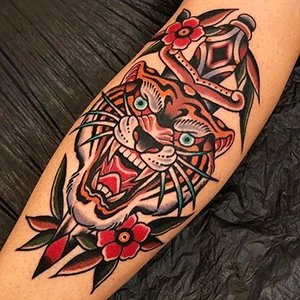
This style is versatile, too. You can use it for botanicals, constellations, anatomy, symbols, handwriting, and minimal portraits. That range makes fine line tattoos a great choice for first-timers and collectors alike. If you're still deciding, compare it with styles like traditional tattoos or neo traditional tattoos to see how different line weights and finishes affect the final look.
Why People Love Fine Line Tattoos
They create a subtle, personal statement
Fine line tattoos stand out because they feel intimate. Instead of shouting for attention, they invite a closer look. This subtlety is perfect for people who want their tattoo to mean something personal without being too bold. It’s a style that’s both expressive and discreet, which is rare in body art.
Many choose fine line work for memorial pieces, meaningful phrases, birth flowers, coordinates, or small symbols representing important relationships and milestones. Because the design is often compact and refined, it feels more like a private expression than a public statement. That doesn’t make it any less impactful; in many cases, it’s even more powerful.
They pair well with placement-focused design
Fine line tattoos look great when designed around the body’s natural curves. Popular spots like the wrist, forearm, ankle, collarbone, and ribs allow the design to flow with the body instead of competing with it. Placement can change how a tattoo feels, making the same image appear soft, elegant, edgy, or visible depending on where it sits.
That’s why consultations are so important. A beautiful piece on paper might need adjustments for spacing or proportion once it’s mapped onto the body. During a custom consultation, artists refine size and placement to improve readability and longevity. If you’re interested in an architectural or body-conscious design, exploring realism tattoo work alongside fine line references can help clarify how texture, scale, and contrast influence the final piece.
The Technical Skill Behind Clean Fine Line Work
Line control and needle selection
Fine line tattoos require exceptional line control because there’s little room for error. A slight wobble or wrong needle choice can change the entire look. Artists need to create smooth, even lines without making them heavy or causing trauma to the skin. This technical discipline is why the style has a premium reputation.
Needle choice matters too. Different configurations affect precision and softness, so artists choose tools that match the design’s goals. In a well-managed studio, this work happens with strict hygiene standards. The body art safety guidance from occupational and educational sources shows why proper technique and sanitation are essential, especially for detailed tattoo styles where accuracy is key.
Why the skin’s condition affects the outcome
The skin isn’t a flat canvas, and everyone’s texture, elasticity, and healing response vary. Fine line tattoos are sensitive to these differences. Artists need to consider the tattoo’s location, how much the area moves, and any factors affecting healing or ink retention. That’s why experienced artists discuss placement in detail before the first line is drawn.
You can help by arriving hydrated, following pre-appointment instructions, and avoiding anything irritating the skin before your session. Good preparation can significantly impact line quality and healing. If you’re planning a tattoo, check out the studio’s aftercare instructions for guidance on what to do before and after your session.
Best Design Ideas for Fine Line Tattoos
Minimal symbols with strong meaning
Fine line tattoos shine by turning small symbols into meaningful visual statements. Hearts, stars, moons, initials, keys, birds, and coordinates work well because they don’t depend on heavy shading. Their simplicity keeps the meaning front and center. When the artist balances proportion and placement carefully, even a small symbol can feel polished and memorable.
These pieces are popular for first tattoos because they’re subtle. A small design can be a meaningful introduction to body art without a big commitment. It also leaves room to build a larger collection later. That flexibility is why the style is so accessible and enduring.
Botanical, floral, and organic designs
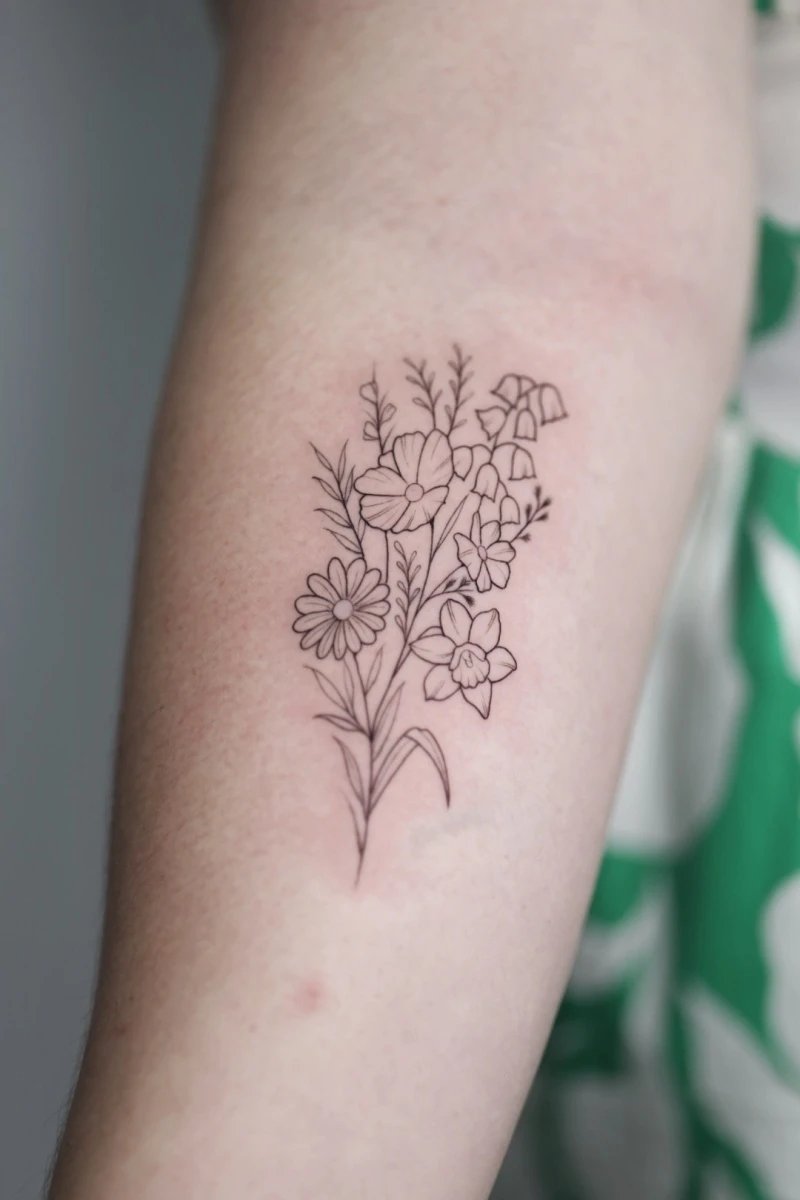
Flowers, stems, leaves, vines, and branchwork are among the most visually striking fine line tattoo concepts. Organic shapes suit thin lines because they move in graceful patterns. A skilled artist can use fine lines to create softness and texture without overwhelming the design. As a result, floral pieces often look elegant on the forearm, shoulder, spine, or ankle.
Botanical tattoos also allow customization. Choose a favorite flower, combine symbolic blooms, or incorporate birth months or family meaning. The design can be as simple or detailed as you like, making the style adaptable. For those who appreciate intricate yet restrained artwork, fine line botanicals offer the perfect balance.
Handwritten text and script-inspired work
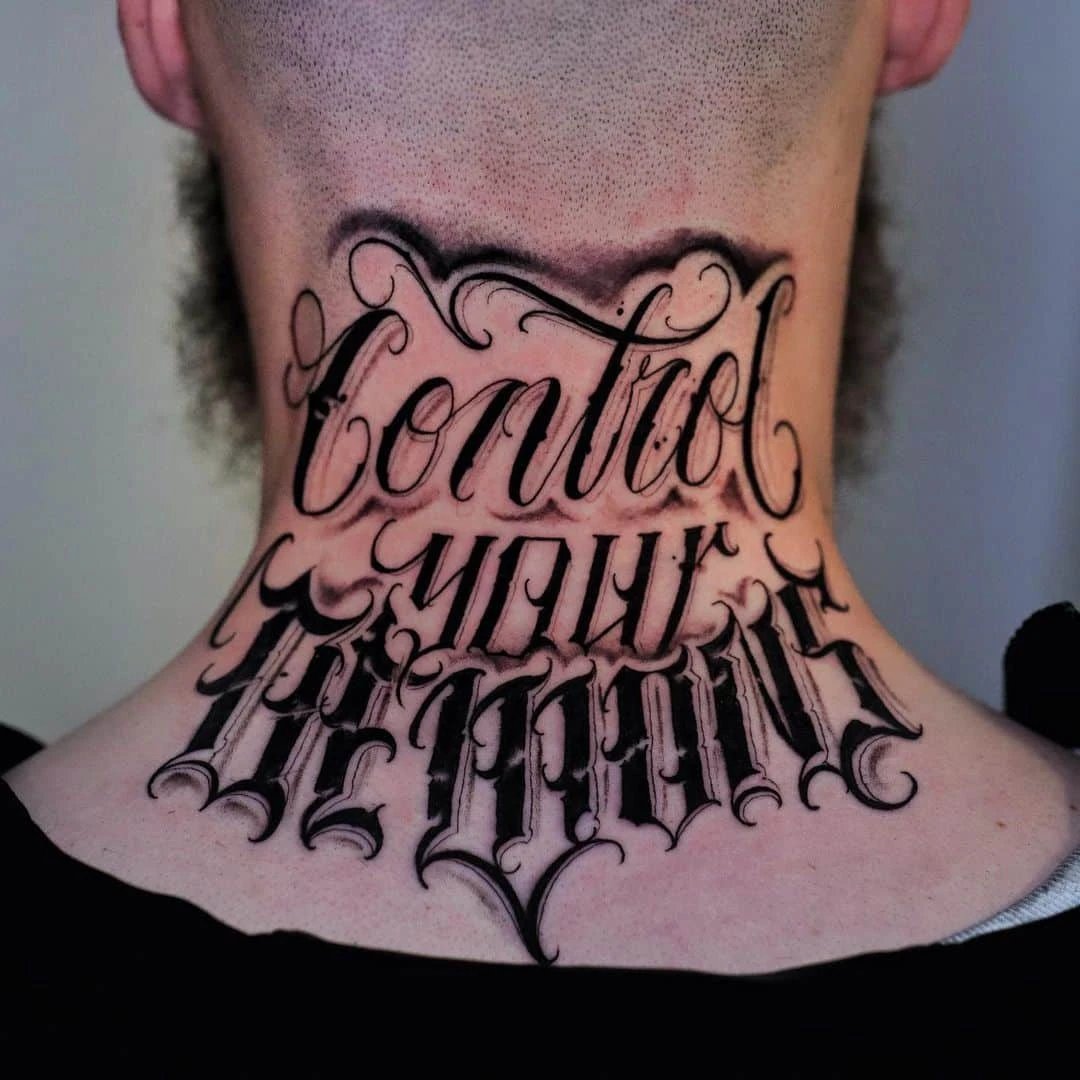
Fine line tattoos are perfect for short quotes, names, dates, and handwritten phrases because they keep the delicate character of script. The key is ensuring the lettering remains legible as the tattoo heals. Thin lettering is beautiful, but it must be sized correctly to avoid blurring over time. Script design deserves the same care as image-based artwork.
When text carries emotional meaning, placement is vital. A phrase near the wrist, collarbone, or ribs feels intimate, while a forearm placement makes it easier to see and share. For clients wanting help refining a message into an elegant visual piece, a service like professional script design can provide a strong foundation before tattoo day arrives.
Placement Tips That Improve the Final Look
Choose areas that support crisp visibility
Not all body parts display fine line tattoos equally. Areas with smoother skin and less stretching hold cleaner detail over time. The forearm, upper arm, shoulder, calf, and upper back are often good options as they allow more control. Smaller areas like fingers and hands can look beautiful but are prone to fading or spreading.
This doesn’t mean high-movement areas are off-limits. It just means the design should be chosen with an understanding of how the body changes over time. A good artist will explain how line weight, scale, and placement affect aging. The more intentional the planning, the better the results months and years later. For clients interested in ultra-refined work, fine line tattoos are best designed with longevity in mind from the start.
Think about how the tattoo will age with you
A tattoo is not just for now. It lives on a body that moves, changes, and ages. Fine line work relies on this reality, which is why experienced artists often recommend slightly larger sizing than expected. A too-tiny piece may lose clarity as lines soften during healing and aging.
This is why consultation-driven design is valuable. The right size can preserve the style's elegance while improving durability. The right placement ensures the tattoo feels harmonious with the body instead of cramped. When a tattoo is planned thoughtfully, its subtlety becomes a strength, not a limit.
How to Care for a Fine Line Tattoo
Follow healing instructions closely
Fine line tattoos rely on proper healing because the lines are delicate. Keeping the area clean, moisturized, and protected during the early healing phase helps preserve sharpness and minimize irritation. Avoid picking, scratching, or soaking the tattoo while it heals. Letting the skin recover naturally helps the ink settle evenly.
Aftercare isn't just a suggestion; it's part of protecting your investment. Even the best tattoo can lose quality if healing is neglected. Good aftercare also reduces risks like excessive scabbing or uneven texture. For a detailed step-by-step guide, check out the studio’s tattoo aftercare instructions for support from the moment you leave the chair.
Use sun protection once healed
UV exposure is a big threat to tattoo clarity. Fine line tattoos can fade noticeably if exposed to sunlight without protection. Once fully healed, sunscreen and protective clothing can help keep lines crisp. This is especially important for tattoos on arms, shoulders, hands, or other exposed areas.
Long-term care matters as much as short-term healing. A well-maintained fine line tattoo can stay elegant for years with consistent attention. Hydrated skin, sun protection, and smart habits all contribute to better results. The more care you give the tattoo after healing, the longer the artwork will retain its refined appearance.
Common Mistakes to Avoid
Choosing a design that is too detailed for the size
A common mistake with fine line tattoos is trying to fit too much detail into a small space. Complex imagery can look great in a mockup but may not hold up on skin if lines are too tight. Over time, details can merge or blur, leading to a cluttered look.
To avoid this, simplify the design without losing its character. An experienced artist will know where to reduce detail, increase spacing, or adjust proportions so the tattoo stays readable. Minimalism isn’t about making the piece less meaningful; it’s about making the meaning visible in the best way. This distinction is key for long-term satisfaction.
Ignoring the importance of artist specialization
Not every tattoo artist is great at fine line work. Someone who excels at bold traditional pieces may not be the best choice for delicate line tattoos. This style requires specific skills, like light hand pressure, careful needle control, and an understanding of how lines heal. Choosing an artist who specializes in the style is an easy way to improve the outcome.
It also helps to review healed examples, not just fresh tattoos. Healed work shows how the artist’s technique performs over time, which is a better quality indicator than a day-one photo. If you’re comparing styles before booking, look at examples from delicate tattoo work and other precision-based services to identify the level of detail you want.
Why Fine Line Tattoos Continue to Grow in Popularity
They fit a wide range of lifestyles
Fine line tattoos appeal to professionals, creatives, parents, collectors, and first-timers because they can be as discreet or expressive as needed. The style works well for people who want personal body art without being overpowering. It can sit quietly or become part of a larger story over time. This versatility has made it one of the most enduring trends.
As attitudes toward tattoos evolve, more people want designs that subtly reflect identity. Fine line tattoos meet that need beautifully. They’re popular among clients who want something sophisticated, modern, and low-profile while still meaningful. The style’s growth suggests that subtlety is a lasting preference, not a passing trend.
They allow artistry to shine through restraint
Some tattoo styles impress with size, color, or heavy contrast. Fine line tattoos impress with restraint. They ask the artist to do more with less, revealing true craftsmanship. When the composition is balanced and execution clean, the result often feels more refined than elaborate styles. That visual discipline is part of the style’s charm.
It’s also why many clients return for more fine line pieces after their first one. Once they experience the beauty of subtle detail, they often appreciate how much emotion and personality can be conveyed with minimal design. The style invites intentional collecting rather than impulsive choice, making each tattoo feel more meaningful.
What to Expect During a Fine Line Tattoo Appointment
Consultation and design refinement
A great fine line tattoo usually starts with a conversation. The artist will ask about the meaning behind the piece, preferred size, placement, and visual references. From there, the design may be adjusted to improve flow, spacing, and readability. This collaborative step is essential because fine line work leaves little room for correction once tattooing begins.
During this stage, be open to suggestions. Artists may recommend a larger size, a different location, or a simplified version of the original idea. These adjustments aren’t about limiting creativity but about making the tattoo stronger and more durable. Thoughtful refinement usually leads to a better final result than forcing the original concept exactly as drawn.
The tattooing process itself
Fine line tattoo sessions are often calmer and more precise than large-scale, heavily shaded tattoos. Depending on the piece's complexity, the appointment may be relatively short. Even so, the artist will work carefully, checking angles and line flow throughout. A relaxed environment and good communication are crucial because the work is so detail-oriented.
Clients often appreciate the private, professional setting that supports this kind of artwork. A clean studio with clear hygiene protocols can make the experience more comfortable and reassuring. Hartford Tattoo Shop maintains high cleanliness standards and uses a 100% disposable approach to client safety, which supports a focused and professional tattoo experience from start to finish.
Final Thoughts: Why Small Details Leave a Lasting Impression
Subtle tattoos can still be powerful
Fine line tattoos stand out because they prove a design doesn’t have to be loud to be memorable. Their beauty comes from precision, balance, and intention. When a tattoo is carefully planned and expertly executed, even the smallest piece can become a lasting expression of identity, memory, or style. That’s what makes this art form so compelling.
If you want body art that's elegant, personal, and enduring, fine line work is worth serious consideration. The key is choosing the right design, placement, and artist. Ready to explore your concept? Start with a consultation, review available styles, and use the resources here to make an informed decision. Learn more about our custom work at Hartford Tattoo Shop’s fine line tattoo service and start planning a piece that reflects your story with clarity and care.
Ready to turn a small idea into something beautiful? Reach out to Hartford Tattoo Shop to discuss your vision, review placement options, and create a custom tattoo that feels refined from the first line to the final healed result.