Realism tattoos are the kind of body art that make people stop and look twice. When done well, they can feel less like ink and more like a photograph, a memory, or a living piece of art layered onto skin. That level of impact doesn't happen by accident. It comes from careful planning, technical precision, strong artistic judgment, and a deep understanding of how skin, light, and composition work together.
In this guide, we'll break down exactly what makes a realism tattoo stand out, from concept and reference selection to shading, placement, and long-term healing. If you're considering a custom piece, exploring realism tattoo services can help you understand how a skilled artist turns a visual idea into something that feels vivid and personal. We'll also explain what you can do to support the process, what to expect during healing, and how to choose the right artist for the result you want.
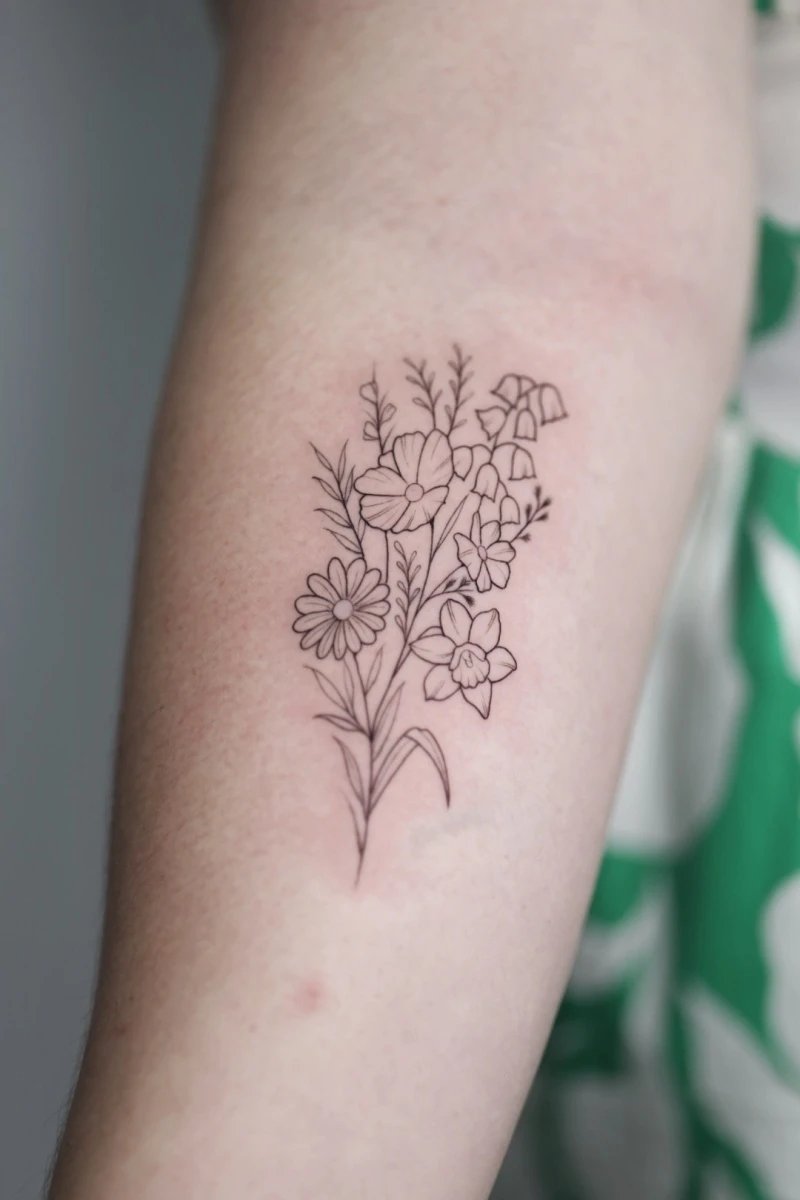
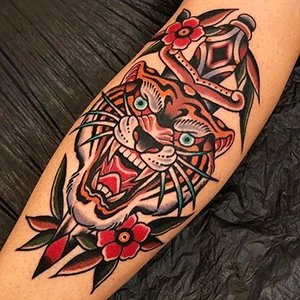
For readers who want a broader look at tattoo styles, you might enjoy learning how artists blend realism with other approaches in Neo Trad designs or how line-driven work differs from detailed realism in fine line tattoos. Since aftercare is just as important as the tattoo itself, check out reliable health guidance from the CDC’s tattoo aftercare information before your appointment.
What Makes a Realism Tattoo Different?
Built to Imitate Real Life
Realism tattoos are all about representing a subject as faithfully as possible. This could mean a portrait, an animal, a flower, a religious image, or an object with personal meaning. The goal isn’t just to draw the subject well, but to make it feel dimensional, believable, and emotionally resonant.
Unlike styles relying on bold outlines or stylized exaggeration, realism leans on subtle transitions, soft edges, and exact values. The best realism tattoos often look effortless at first glance, but the illusion depends on dozens of tiny decisions made by the artist. Every highlight, shadow, and contour is placed with intention.
Relies on Contrast, Not Outlines
Instead of using clean outlines to define form, realism tattoos use contrast, texture, and careful layering of pigment. That’s why shading must be extremely controlled. If the contrast is too weak, the tattoo can appear flat; if it’s too harsh, the subject may look distorted.
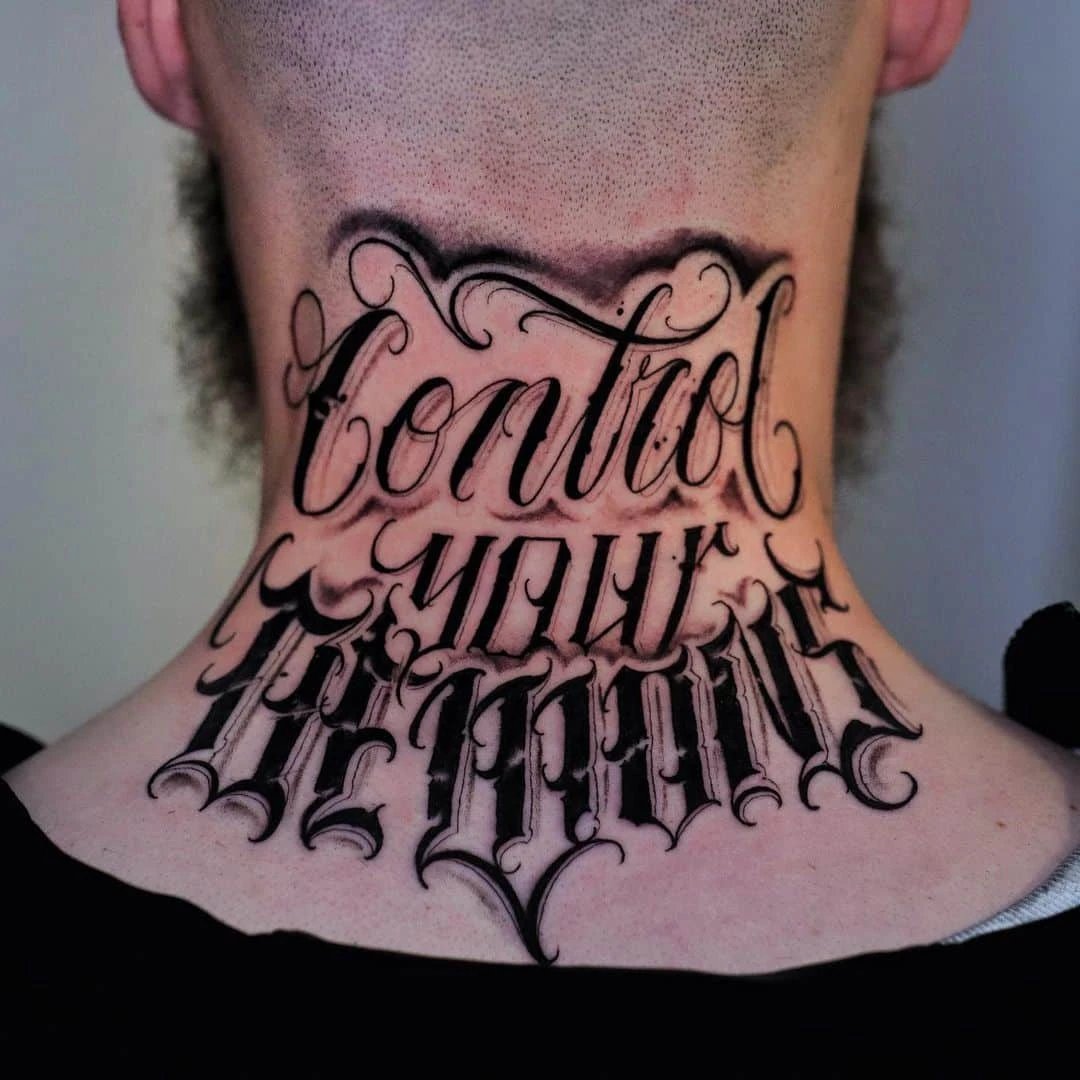
Realism also has to adapt to the body. Skin isn’t paper, and it ages differently depending on placement, sun exposure, and natural movement. This means the artist has to create depth that still reads clearly after healing. This is why experienced clients often seek out specialized script work, traditional designs, or realism specifically, depending on the visual effect they want.
The Role of Reference Images in a Successful Tattoo
High-Quality References Create Better Results
One of the biggest factors in a standout realism tattoo is the source material. A blurry or poorly lit photo limits what an artist can do. A clear, high-resolution image gives the artist accurate details in the eyes, skin texture, shadows, and proportions. The more precise the reference, the more faithfully the tattoo can be translated into skin.
This is especially important for portraits and animal tattoos, where small features carry a lot of meaning. If the reference image is weak, the finished piece may be attractive, but it won’t capture the same level of realism. Clients who bring in several strong options usually get the best results because the artist can combine the best elements from each image into one cohesive design.
Artists Often Improve References Before Tattooing
A strong realism artist doesn’t just copy a photo line by line. They analyze it, simplify it, and adapt it to the body. A portrait may need composition adjustments so the face sits naturally on the chosen area. A flower may need shifts in petal shape so the curves of the body enhance the design instead of fighting it.
This is where professional judgment matters. A great tattoo isn’t just a duplication of a picture. It’s a translation of a visual idea into a medium that has movement, healing, and long-term wear. That translation is what separates a basic reproduction from a piece that truly stands out.
Shading, Contrast, and Texture: The Heart of Realism
Shading Builds Dimension
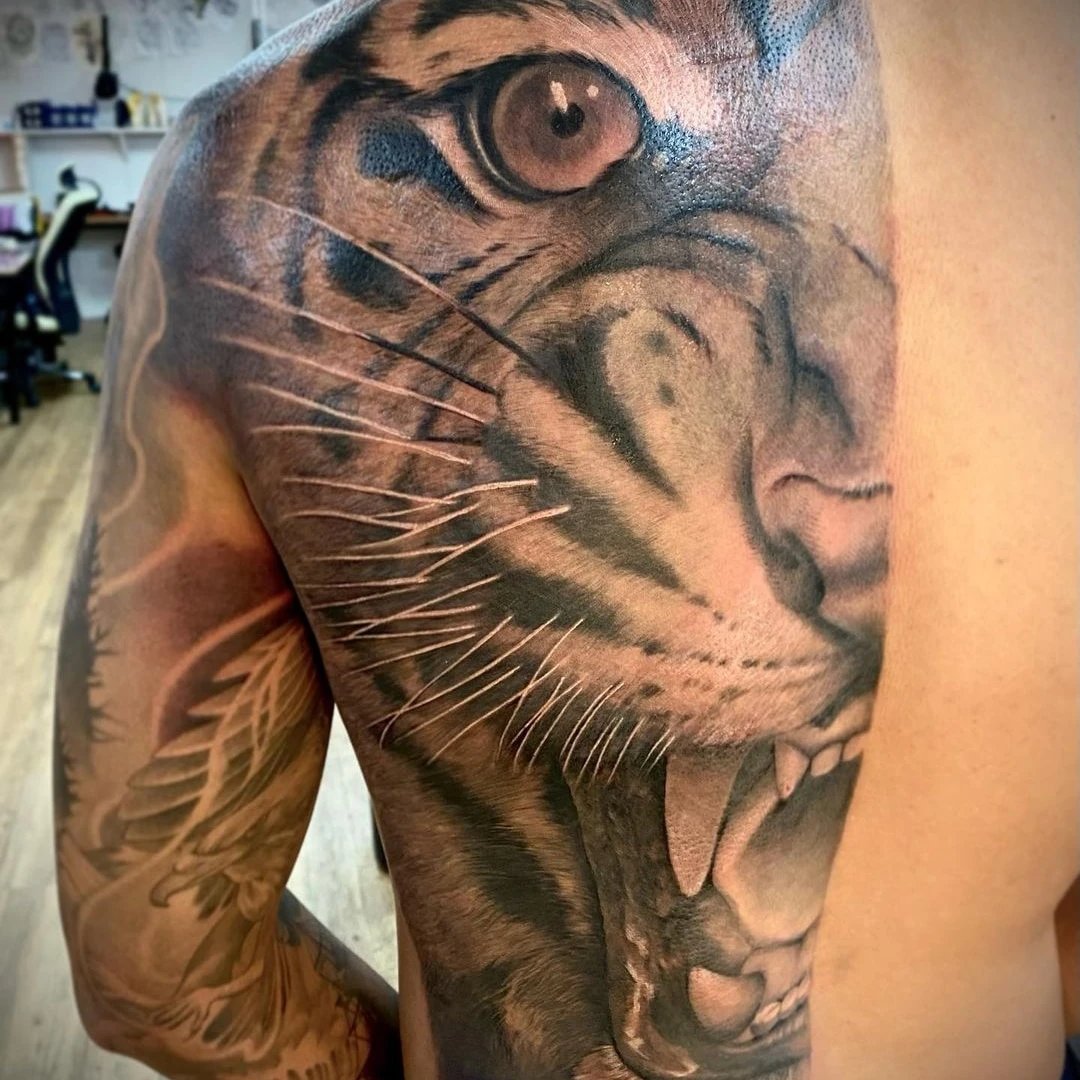
Shading is the backbone of realism. It creates the illusion of depth, lighting, and three-dimensional shape. A skilled artist studies how light falls across the subject and then recreates that effect with tonal gradients. Smooth transitions are essential because realism depends on the eye perceiving form rather than seeing obvious tattoo strokes.
Good shading is often invisible in the best way. You notice the nose of a portrait or the fold of a petal, not the technique used to create it. That seamless quality is a sign of control, patience, and an experienced understanding of how needles interact with skin.
Texture Gives the Tattoo Character
Texture is another detail that makes realism memorable. In a portrait, texture may come through in hair, eyelashes, wrinkles, or the subtle surface variation of skin. In a pet tattoo, texture might appear in fur, eyes, whiskers, or the reflective quality of the nose. The artist uses tiny changes in value and line quality to suggest those surfaces without overworking them.
Texture should always support the subject, not distract from it. Too much texture can make the tattoo look busy, while too little can make it feel lifeless. The balance between realism and readability is one of the most important artistic decisions in the process.
Contrast Helps the Tattoo Age Well
One overlooked fact about tattooing is that designs soften as they heal and age. That’s why proper contrast matters so much. A realism tattoo needs enough tonal separation to remain visible over time, especially in areas that receive frequent movement or sun exposure. According to public health guidance from the FDA, tattooed skin should be protected and cared for carefully after application since healing affects the final appearance significantly.
Artists who understand aging create work that still reads clearly years later. They plan for the future, not just the day of the appointment. That long-term thinking is a major sign of quality.
Placement Matters More Than Most People Realize
The Body Can Enhance the Design
Placement can dramatically change how a realism tattoo looks. A portrait placed on a broad, flat area may show more facial detail, while a curved area can add motion or visual energy. The artist considers the shape of the body, muscle movement, and how the tattoo will look from different angles.
A strong placement does more than make the piece fit. It helps the design breathe. A realism tattoo that’s crowded or forced into an awkward space can lose clarity, while one that follows the body’s natural flow often looks more polished and intentional.
Size Affects Detail Retention
Realism often requires enough space to preserve detail. Tiny tattoos can be beautiful, but if the subject is too complex for the chosen size, the image may blur as it heals. This is especially true for portraits, landscapes, and intricate animal features. Larger canvases give the artist room to build depth and texture more clearly.
This doesn’t mean small realism tattoos are impossible. It means the design must be carefully simplified. A seasoned artist knows what details will hold up and what should be reduced. This practical knowledge makes the difference between a tattoo that looks good on paper and one that still looks good years later.
Placement Should Match Lifestyle
Think about how your daily life will affect the tattoo. High-friction areas may fade faster, and spots with frequent sun exposure may need more maintenance. If the tattoo is highly detailed, choosing a placement that protects it can improve the long-term result. Your artist can help you think through those tradeoffs during the consultation.
For people who want other highly controlled styles, a private appointment for delicate tattoos may be useful when planning pieces that need a softer visual touch. The right placement is always a collaboration between your goals and the artist’s experience.
How Artists Create the Illusion of Reality
Layering and Value Control
Realism tattoos are usually built in layers. The artist starts with foundational tones, then adds deeper shadow, sharper contrast, and smaller details as the piece develops. This layered approach allows the tattoo to look smooth instead of patchy. It also helps maintain flexibility during the process since the artist can adjust depth as the image takes shape.
Value control is equally important. Realism depends on the full range between light and dark. If a tattoo uses only mid-tones, the image may feel incomplete. If dark tones overwhelm the composition, the result can become heavy. The best artists know how to guide the eye through the piece with controlled changes in value.
Edges Are Softened Strategically
In many realism tattoos, not every edge should be crisp. Soft edges suggest atmosphere, depth, and distance. Sharper edges can be used selectively to draw attention to important points like eyes, lips, or highlights in reflective surfaces. This contrast between soft and sharp gives realism its visual hierarchy.
Think of it like a camera lens. Not everything is in focus at once. The artist chooses where the eye should land and where the image should recede. This selective clarity is what makes the tattoo feel alive instead of overly outlined.
Artists Study Light Like Photographers
Great realism tattooing often borrows from photography principles. Artists need to understand where light is coming from, how it shapes the subject, and which details should be emphasized. Without that awareness, the tattoo may appear technically clean but visually confusing.
This is why reference selection, design planning, and stencil placement all matter. They’re not separate steps; they’re part of one visual strategy. A strong tattoo is planned as carefully as it is executed.
What Clients Can Do to Improve the Final Result
Bring Clear Goals, Not Just Pictures
The best consultations happen when clients can explain what matters most to them. Maybe the goal is emotional significance, photo accuracy, strong contrast, or a softer artistic interpretation. Sharing that context helps the artist make better choices from the start. A realism piece is more successful when both sides understand the priority.
Bring reference photos, but also be open to suggestions. An artist may recommend changes that improve composition, readability, or longevity. That doesn’t mean the original idea is being ignored; it means the design is being optimized for skin.
Prepare for the Session and Aftercare
A tattoo may look excellent in the chair, but the healing process determines how well it lasts. Arrive rested, hydrated, and prepared for the appointment length. After the session, following the studio’s instructions is essential. You can review detailed local guidance on our aftercare instructions page, and it’s also worth checking out general health advice from the Mayo Clinic for a broader medical perspective.
Don't pick at scabs, soak the tattoo too early, or expose it to direct sunlight before it’s healed. These mistakes can affect contrast, line clarity, and overall texture. Good aftercare protects the investment you made in the artwork.
Choose Placement and Timing Wisely
If you’re planning a large realism piece, consider timing it around your schedule. Healing can be easier when you’re not constantly exercising, swimming, or working in an environment that causes excessive friction. Placement should also align with your long-term goals, especially if you want the tattoo to remain visible and crisp for years.
For custom work that depends on strong composition, technical control, and a private studio experience, it helps to choose a shop that specializes in precision. A consultation can reveal whether the artist’s style fits your vision before you commit.
Common Mistakes That Can Hold a Realism Tattoo Back
Overcrowding the Design
One of the most common mistakes is trying to include too much detail in too small a space. Realism needs room to breathe. When a design is overcrowded, small features compete with one another and the image becomes muddy after healing. Simplicity doesn’t mean less artistry; it often means better readability.
Artists sometimes recommend enlarging a tattoo or reducing the complexity of the reference. That advice is usually based on long-term experience, not restriction. The goal is to preserve the integrity of the subject.
Poor Contrast Planning
Another issue is insufficient contrast. A tattoo with only soft, light shading may look elegant initially, but it can disappear visually when viewed from a distance. Realism needs enough depth to separate shapes and preserve definition. Without that, the piece can appear unfinished.
On the other hand, too much contrast can create a harsh effect that clashes with the goal of realism. The right balance depends on the subject, the placement, and the skin tone of the client. This is where professional experience becomes invaluable.
Ignoring the Healing Process
Even a beautifully executed tattoo can suffer if healing is neglected. Overwashing, under-washing, scratching, and sun exposure can all alter the final appearance. The healing process is part of the artwork, not an afterthought. That’s why trustworthy studios explain the full process clearly and emphasize aftercare as part of the experience.
For people researching health and hygiene standards, the NHS guidance on wound care is a helpful general resource for understanding how skin heals safely. While tattoos are unique, the basic principle is the same: keep the area clean, protected, and undisturbed.
How to Recognize a Truly Strong Realism Artist
Look for Healed Work, Not Just Fresh Photos
Fresh tattoos often look sharper than they will after healing. That’s why healed photos are so important when evaluating an artist’s realism portfolio. Healed work shows how the artist’s technique holds over time. It reveals whether the shading remains smooth, whether the contrast was strong enough, and whether the details stayed legible.
When possible, ask to see healed examples of similar subjects. Portraits, animals, and black-and-gray realism each present different challenges. A good portfolio should show consistency across those categories.
Pay Attention to Composition and Flow
A strong realism artist does more than render detail. They compose the tattoo so it works with the body. The eyes should lead naturally through the image, and the design should not feel cut off or awkwardly placed. When composition is handled well, the tattoo feels integrated with the person wearing it.
That sense of flow is one of the most underrated markers of quality. Many people focus only on realism accuracy, but body flow is what helps the tattoo feel complete. It’s part technical skill and part artistic instinct.
Ask About Process and Hygiene
Professionalism matters as much as artistry. A shop should be transparent about setup, sterilization, disposable tools, and aftercare. The team should answer questions clearly and never rush you through a consultation. In a serious tattoo environment, safety and precision go hand in hand.
Hartford Tattoo Shop is built around that standard, with a private studio atmosphere and a 100% disposable approach to equipment. For clients who want a premium experience, that combination of artistic discipline and hygiene can be a major deciding factor.
FAQ: Realism Tattoos and What to Expect
Do Realism Tattoos Hurt More Than Other Styles?
Pain varies more by placement than by style, but realism tattoos can involve longer sessions and more layered shading, which may make them feel more demanding. Some areas of the body are naturally more sensitive, especially where the skin is thinner or close to bone. The best approach is to prepare well, communicate openly, and follow your artist’s pacing recommendations.
Will a Realism Tattoo Fade Faster?
All tattoos change over time, but realism tattoos can hold up very well when they are designed correctly and cared for properly. Strong contrast, appropriate size, and smart placement all help. Sun protection and good aftercare are also essential for preserving clarity.
Can Realism Work with Color?
Yes. Color realism can be stunning, but it requires careful saturation and a strong understanding of color theory. Black-and-gray realism is often chosen for portraits and dramatic imagery, while color realism can bring flowers, animals, or fantasy subjects to life. The right choice depends on the reference and the look you want.
Conclusion: The Details Are What Make the Difference
A realism tattoo stands out when every part of the process is handled with care. That includes the reference image, composition, contrast, shading, texture, placement, and healing. No single detail creates the result on its own. It’s the combination of all those decisions that turns a tattoo into something memorable, dimensional, and lasting.
If you’re considering a realism piece, take the time to find an artist who understands both technique and storytelling. Bring a clear idea, trust the design process, and commit to proper aftercare so the tattoo can heal at its best. When those pieces come together, the final result can be extraordinary.
Ready to plan your next tattoo? Explore our realism tattoo services or contact Hartford Tattoo Shop to discuss your ideas with a licensed artist. A great tattoo starts with a great consultation, and the right details make all the difference.